Please Wait Warmly: A Connoisseur's Ranking of Loading Screens That Feel Like Anime OVAs

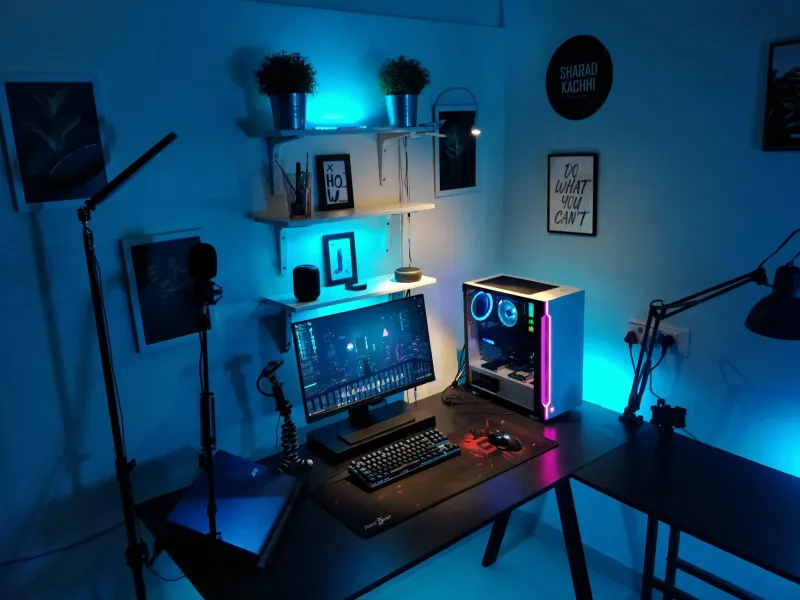
Photo: cozy gaming setup with television loading screen and warm lamp light, via s.yimg.com
There is a special kind of stillness that settles over a room when a game decides it needs a minute. The controller goes limp. The cat claims your lap. Somewhere in the machine, textures are being unpacked like groceries, and you are left staring at a spinning icon that has the emotional range of a spreadsheet.
But every so often, a studio looks at that dead air and thinks: what if this were a tiny anime episode?
Not a trailer. Not a tips carousel. A little vignette with framing, mood, and a beginning and end, smuggled into the exact moment you are least expecting to be entertained. These are the loading screens that turn waiting into a cozy worldbuilding opportunity. Today, we rank the best of them, grade them like the precious micro-shorts they are, and wonder why the rest of the industry keeps handing us a blank stare.
The Rubric: Rewatchability, Lore Density, and Vibe Retention
A great loading screen has to survive repetition. You will see it dozens of times, maybe hundreds if you are the sort of person who fast-travels to the same merchant because you forgot to sell your loot again. So we graded each one on three axes.
Rewatchability asks whether the screen is still pleasant on viewing number forty. Lore density asks whether it slips you information about the world without feeling like homework. Vibe retention asks the important question: does it make the wait feel like a deliberate pause rather than a technical apology?
A perfect score would be an animated short that teaches you the history of a fictional kingdom while also being aesthetically delightful. Nobody has fully cleared that bar. Several have come close enough to make the elevator ride worth it.
5. The Witcher 3: Wild Hunt — Dandelion's Unreliable Narration Hour
Grade: B+ rewatchability, A- lore density, B+ vibe retention
Some loading screens give you a loading bar. The Witcher 3 gives you a bard with a questionable relationship to facts. The game's loading interludes pair illustrated cards with narration that frames Geralt's adventures as tall tales told by a man who has never let accuracy ruin a good story. It is a tiny anthology series about the world's most tired monster hunter, delivered while the swamp textures get their act together.
The genius is that it doubles as a lore delivery system. You learn about factions, creatures, and local grudges without opening a codex. It is also deeply funny in a dry way, because Dandelion narrates every near-death experience like it happened to someone more glamorous.
Would it work as a standalone anime? Absolutely. It would be twelve episodes of a bard misremembering events while Geralt stares into the middle distance. The loading screen is already the pilot.
4. Mass Effect Legendary Edition — The Elevator Is the Episode
Grade: A- rewatchability, B lore density, A- vibe retention
The original Mass Effect famously hid its loading behind elevator rides, and the Legendary Edition preserves the spirit of those awkward vertical conversations. You and your squad stand in a metal box while the game quietly streams the next floor, and the writers use every second to let characters be people. Someone complains about the Council. Someone else makes a joke about military regulations. The doors open, and you have learned something about your crew that no mission briefing would have told you.
It is not an animated short in the visual sense, but it is a micro-episode in the structural sense. A tiny two-hander play about colleagues who cannot leave a room. The rewatchability is high because the dialogue rotates, and the lore value is sneaky. You catch new details about alien politics while pretending you are not impatient.
Modern games have mostly replaced this with a progress bar and a tooltip. That is efficient. It is also why we cannot have nice elevator conversations anymore.
3. Persona 5 Royal — The Phantom Thief Title Card Workout
Grade: A rewatchability, B+ lore density, A vibe retention
Persona 5 Royal is a game that treats basic menu navigation like a fashion show, so it should surprise nobody that its loading screens have more swagger than most anime openings. We are talking silhouettes, bold typography, animated transitions, and a soundtrack that makes waiting for a train feel like the start of a heist.
These screens are not telling you a story in the traditional sense. They are establishing tone. They are saying: this is a world where style is substance, and you are about to spend a hundred hours in it. The lore density comes from small details—locations, characters, tiny visual cues—that reward the part of your brain that likes to hoard context.
Rewatchability is where it shines. The animations are short enough to enjoy and varied enough to avoid becoming wallpaper. It is the rare loading screen that makes you feel cool for being delayed.
2. NieR: Automata — Pod's Melancholy Maintenance Window
Grade: B+ rewatchability, A lore density, A- vibe retention
NieR: Automata understands that a loading screen can be a mood piece. Its interludes lean into stark text, quiet ambient sound, and the unsettling calm of a machine world that has mostly stopped pretending to be normal. You get snippets of philosophy, dry status reports, and the sense that the game is not just loading assets but loading a worldview.
It is not the most rewatchable entry on this list because it is deliberately heavy. But it is the one most likely to make you sit back and think, which is a strange thing to ask of a screen that exists because a hard drive needs a second. The lore value is enormous, and the vibe is immaculate in a "the elevator is descending into the abyss" way.
If Persona 5 Royal is a stylish anime opening, NieR is the quiet OVA that makes you stare at the ceiling afterward. Both belong in the museum. They just belong in different wings.
1. Bayonetta — The Playable Practice Room
Grade: A+ rewatchability, B lore density, A+ vibe retention
Bayonetta wins because it does the boldest thing a loading screen can do: it stops being a screen. While the game prepares the next absurd set piece, you are dropped into a practice space where you can drill combos, test inputs, and generally warm up your hands. It is not a cutscene. It is not a tooltip. It is a tiny interactive episode about a witch who refuses to waste your time even when the disc drive is busy.
The lore density is low, sure. But the vibe retention is perfect. You are never waiting; you are training. The game respects your thumbs enough to assume they want something to do. That is cozy in a very specific, high-energy way.
It also raises the obvious question: if a 2009 game could turn loading into a playable bonus, why are we still watching a static art screen in 2026? We have the technology. We have the controllers. We could have a little combo trial. We could have a tiny character vignette. We could have anything other than a spinning circle and a reminder that the game is "almost ready."
The Dead Time Doctrine: Why the Wait Became Scrap Paper
There are practical reasons. Fast SSDs have shrunk load times to the point where a full animated short might be over before it begins. Streaming tech means fewer hard pauses. Every second of bespoke animation costs money, and a loading screen is the one part of a game that players are culturally trained to skip. Why invest in art people will ignore?
But that logic misses the point of a place like Nyarth. We are the people who leave the title screen on because the music is nice. We are the ones who screenshot loading art. The wait is not a bug in the coziness; it is a built-in pause. A game that fills that pause with a tiny story is telling you that even the boring parts of its world matter.
The best loading screens are not obstacles. They are mini-museums. They are the five-minute OVA between episodes. They are proof that a studio cared about the texture of the whole experience, not just the boss fight.
So here is the challenge for the next batch of games: treat the wait like a storyboard. Give us a little character moment. Give us a looping vignette. Give us something we would voluntarily rewatch on a rainy afternoon. We will be here, controller in hand, cat on lap, ready to be delighted by the part everyone else skips.
Until then, we will keep ranking the classics. And yes, we will keep watching the elevator doors close.