Drop It Like It’s Cozy: Why Quitting a Game Should Feel Like Tidying, Not Betrayal
I have a confession that will get me banned from several forums: I have never finished a Final Fantasy game. Not one. I've bought four. Two of them twice, because apparently my memory is a sieve and my wallet is a doormat.
For years, those unfinished saves sat in my library like polite ghosts. Not threatening, exactly — just present. Every time I scrolled past them I felt a small, specific guilt, like I'd forgotten a friend's birthday and was now avoiding the group chat.
This is a piece about quitting. Not rage-quitting, not throwing a controller quitting. The quiet, deliberate kind: opening your library, looking at a game you've stopped enjoying, and saying "thank you, we're done here" without feeling like a bad person.
The Guilt Is Not About the Game
Here's the thing I eventually figured out: the guilt isn't really about the game. It's about the story you told yourself when you bought it. The person you were going to become. The 90-hour RPG that was going to justify the purchase, the sale price, the shelf space, the fifteen minutes you spent reading reviews instead of working.
Dropping a game feels like dropping that version of yourself. That's why it stings. And that's also why it's worth doing.
Sunk Cost Is a Haunted House
Everyone knows the sunk cost fallacy in the abstract. Nobody feels it in the abstract. You feel it at hour eleven, when the combat is fine but the map screen gives you a headache, and you think: but I'm already eleven hours in.
Eleven hours in is not an argument. Eleven hours in is evidence. You've given the game a fair shot. It has shown you what it is. If what it is doesn't spark anything, more hours will not fix it — they'll just make the ghost louder.
Reframing: Curation, Not Collection
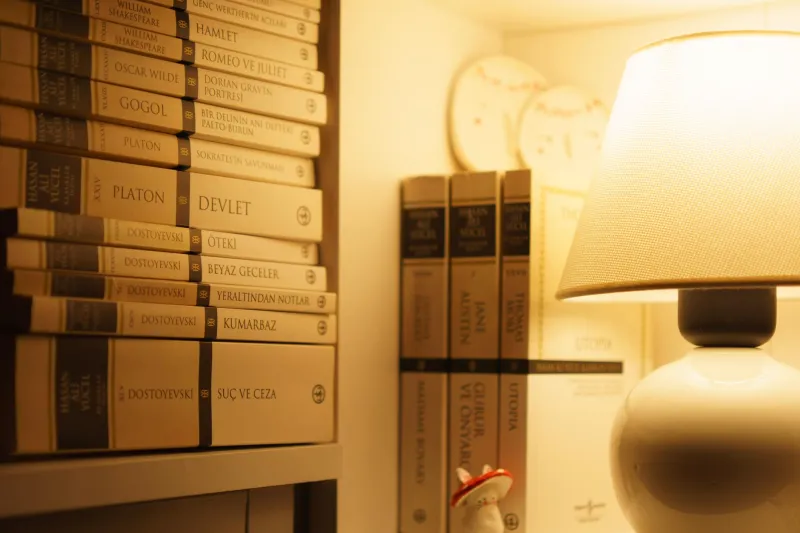
We talk about backlogs like they're debt. They aren't. A library is a collection of possibilities, not a checklist of obligations. Nobody looks at a bookshelf and gets mad that they haven't read every spine.
When you drop a game, you're not subtracting from a total. You're curating. You're making room. You're turning a cluttered shelf into a shelf where every single item is something you'd actually reach for on a rainy Saturday.
That's the whole reframe, and it's the one that finally worked for me: quitting is not the opposite of being a fan. It's the maintenance fee on being a fan.
The Two-Evening Honesty Check
If a game has been sitting in the "I should go back to this" pile, give it two evenings. Real evenings, not a guilty ten-minute peek.
Evening one: start fresh or load the save and play until something happens. Anything. A fight, a cutscene, a new area. Notice whether you're leaning forward or checking the clock.
Evening two: the next day, ask yourself if you thought about it at all. Not with obligation. With interest. If the answer is "I forgot it existed," that's a verdict, and it's not a cruel one.
Two evenings is generous. It's also finite, which is the important part.
The Permission Slip Ritual
This sounds silly and it works anyway. Give yourself a small ceremony for the goodbye.
- Write one line in your backlog note. "Dropped at hour 14. Beautiful art, combat didn't click. Not my genre. Would recommend to someone else." That's it. You've logged it. You've closed the loop.
- Move it to a folder called The Shelf of Honor. Not the trash — a shelf. These games still get to exist in your house. They just stop getting your evenings.
- Uninstall without commentary. No dramatic wipe. Just space, reclaimed.
- Play the thing you actually want to play for twenty minutes, immediately. Association matters. Make the drop pair with something pleasant, or your brain will file the whole event under "loss."
When to Push Through, Honestly
The anti-quitting argument deserves a fair hearing, because sometimes the first act is bad and the third act is transcendent.
Push through if: the game is in a genre you love and the problem is a slow opening. Push through if a trusted friend with similar taste says the payoff is real and specific. Push through if you're stuck rather than bored — being stuck has a solution, and boredom doesn't.
Stop if: you're playing to finish a number. You're playing to justify the money. You're playing because the internet will be disappointed in you. The internet has never once checked your save file.
The Library Is a Living Room
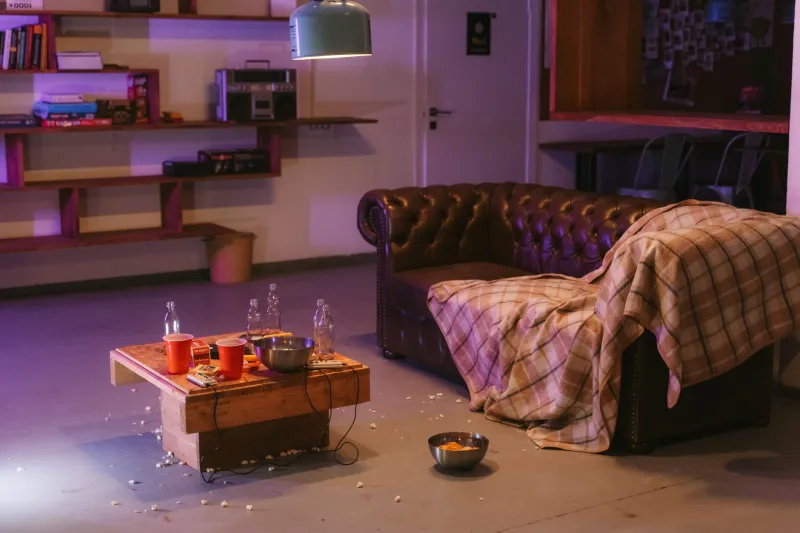
A library should feel like a living room, not a storage unit. You want the good chair by the window, a blanket, a warm drink, and one or two things you genuinely want to do.
So open the library. Look at the ghosts. Say thank you, say goodbye, and turn the lights on. There's a cozy little game waiting on the other side, and it's been hoping you'd come back for ages.